Wednesday, August 15, 2007


Friday, August 10, 2007
Hansen Fellowship Report (submitted by me)
The case of Bangladesh suggests to me that conflicts arise when people are competing for the same resources (such as territory, natural resources, jobs and income, housing) when they aren't fairly distributed or when there aren't enough to go round.
The case of Pakistan and Nepal suggests to me that conflicts arise when the people are unhappy with how they are governed. The most common conflicts occur when a particular group wants to be independent from a central government, or when their viewpoint isn't represented in the government, or when the government oppresses them and doesn't respect or meet their basic needs.
The case of Sri Lanka suggests to me that ethnic differences can cause conflict, or be made to cause it. Again, people's ethnicity gives them a sense of identity and belonging, and it is threats to this sense, which can cause violent responses, just as individuals may lash out with angry words or gestures when they feel threatened.
The case of India suggests to me that conflicts arise when people's beliefs clash. Religious and political views are particularly sensitive, because people often depend on these for a sense of identity and belonging. Sometimes a religious/political group being attacked causes the conflict; sometimes it is because the group is eager to spread a particular belief and even enforce it on others. Some leaders may aggravate religious and political differences as part of their tactics for keeping or gaining power.
Since the tragedy of India's partition, maintaining peace and harmony amongst India's diverse communities has often been a very tall order. Hardest of all has been the task of managing hostilities between Hindu and Muslim communities, and preventing the outbreaks of religious vendetta that shatter the lives of the unfortunate victims. The articulation of the two-nation theory and the creation of the state of Pakistan implied that so great was the animus between the two communities that it was virtually impossible for them to live together in peace in the same nation.
In contrast, for those concerned with the task of achieving peace in the Indian subcontinent, Hindu-Muslim unity has always been one of the essential pillars of progressive movement. The proxy-war in Kashmir, where agents of terror have infiltrated into the Jammu and Kashmir region and caused havoc for the local Indian people. Since 1990, there have been several massacres of villagers - particularly women and children. But rather than see these attacks as what they are - an assault on India's secular unity - people have begun to see these threats through the prism of religious sectarianism to destroy the peaceful lives of Hindus.
In large part, such a feeling of generalized hatred emerges from the inability to understand complex political realities. The Muslim-hating Hindu does not wish to see the subcontinent's difficulties outside the prism of Hindu-Muslim conflicts because the alternative is much more difficult to deal with. But the net effect of this within India is that the religious divide grows instead of shrinking. Rather than India uniting against it's myriad external threats, the Godhra massacre (in February 2002) caused a part of India to implode. Seething with hatred, a section of Gujarat's Hindus went on a retributive rampage - destroying homes, businesses and precious lives. Only further investigation will tell if there was any external involvement in the Godhra crime, but the reaction of Gujarat's militant Hindus has led to tremendous insecurity amongst India's Muslims and greatly weakened India's ability to act with resoluteness in the face of external threats. To that extent, it highlights serious weaknesses in the world-view of such Hindu-identified layers of Indian society. Communal clashes rarely happen out of the blue; invariably they result from catalytic incidents.
The preservation of peace and harmony requires prevention at all levels - in ensuring that inflammable incidents do not occur, and the reaction to them is immediately controlled. This may mean developing relationships and alliances with Hindus who are not entirely in sympathy or agreement with them on all issues, but nevertheless wish to live and let live.
Since the state apparatus is drawn from living and breathing individuals who may harbor all manner of prejudices and false notions, much more work in raising consciousness will also be necessary. For any set of social principles to be consistently implemented through the writ of a state, they must also win the trust and adherence of broad sections of the public. It is here that the role of the "secular" intelligentsia such us “Hansen Fellows” - whether it be in the universities or in the media becomes vital, and needs to be examined more closely.
I have seen from my own experience that many people find their identity and security in their cultural/religious group and its particular point of view - so clashes between different cultural/religious groups always lead to disputes that can easily turn violent. I have pondered upon, what if people learn to understand that differing cultures/religion are not inevitably a threat to each other? If only that happens then they will learn how to manage their differences co-operatively and peacefully.
One aspect of Religion/culture is particularly important: it can create language and behavior that excludes people, creating 'us/them', 'insider/outsider' situations and using language of discrimination, intolerance and hate. If people create a society that doesn't see 'difference' and 'diversity' as problems but as valuable for social growth, many causes of conflict disappear.
Certainly most people want to live in societies in which there is healthy conflict leading to change and progress - we are an evolving species - but in which this is achieved without fighting and killing. Most people would like it to be possible for individuals, groups and cultures to live together without violent conflict, though not resisting progress and constructive changes. Most of us would prefer our systems of law and order to be reasonable and open to reform and change, and certainly not imposed on us by force. Most of us would like a world in which human rights are respected, cultural differences are seen as enriching any society, and co-operative efforts are made to deal with problems of poverty, deprivation, injustice, and abuse of power.
Peace itself is a process in which nonviolent solutions to healthy conflict are repeatedly explored and developed in a co-operative and collaborative way.
Need for a Coalition:
I believe that there aren't yet enough skilled interveners, mediators, negotiators, peace-builders at work to help groups at conflict to solve their problems. I also learnt that those who are already at work are not yet a fully co-ordinated organisation. There are many different peace-building groups, many different approaches, and many different timescales. A coherent overall network with good communications is needed so that everyone knows what everyone else is doing.
This is where the idea of Hansen Coalition comes in. A coalition is an alliance of people or groups working together for a shared purpose. Political coalitions quickly encounter problems, because every member wants to lead. But social coalitions aren't interested in power: they work for the common good of everyone.
Where there is a strong network of strong relationships, conflict is less likely to recur. It means a coalition of interveners too: members of this young and exciting profession have a lot to communicate and a lot to learn from each other, all round the world. As they do, a 'culture of peace' can begin to grow and spread, crossing all boundaries and enriching all lives.
Undoubtedly, I am planning to utilize the coalition to find solutions to our perennial problems such as religious conflicts. I want my country to remain as a nation where respect for pluralism, for differences, for social variety is respected. No community should feel unsafe or unwanted. India does not belong to any single group of Indians, least of all to any group of religious extremists. It belongs to a mosaic of linguistically and culturally varied communities. As a Hansen Fellow I will leave no stone unturned in turning the fragile unity of India into something deeper and more enduring. There is an urgent need to create an environment where Indians can fight for a common good - for an inclusive vision that transcends religious frictions and divisions - that holds great promise for the vast majority.
Wednesday, April 25, 2007
Political reforms in Bangladesh
The political reform agenda suffered a setback when the caretaker government was forced to drop its plan of sending the chiefs of both political alliances in self-exile. The increasing domestic and political criticism prompted this decision. Following this Shaikh Hasina was allowed to return to the country. Her return also caused a minor breach of the emergency law when nearly 20,000 of her supporters lined up on both sides of the street to welcome her. This spontaneous turn out of thousands of people indicated that people did not like the decision of the government to exile Shaikh Hasina.
Sensing the changed situation, Khaleda Zia also dropped her plan to leave the country. To increase control over her party, she appointed her brother Major (retd) Sayeed Iskandar as party vice-chairman. This decision of Khaleda only added fuel to the already brewing rebellion inside the party.
The reform agenda was also affected when the Nobel peace prize winner and microcredit pioneer Muhammad Yunus announced that lack of support had forced him to pull out of a plan to create a new corruption-free political party. The government now faces the prospect of trying to reshape Bangladesh politics without any obvious challenger to former premiers Zia and Sheikh Hasina, who held power alternately since 1991.
A section thought that the failure of the caretaker government to exile former premiers Khaleda Zia and Sheikh Hasina Wajed - whose bitter rivalry has been blamed for plunging the country into political chaos – has chastened it. The caretaker government however is unwilling to give up the reform agenda so easily. It has asked the political parties in Bangladesh to ensure they practice internal democracy before the country holds free and fair elections.
The main thrust of the proposed reforms is to end the dynastic leadership in the parties. It will also change the way these leaders rule when they are in power. These reforms are proposed targeting former prime ministers Sheikh Hasina and Begum Khaleda Zia. Hasina is the daughter of independence leader Sheikh Mujibur Rahman, and Khaleda is the widow of former president General Ziaur Rahman.
The caretaker government also wants to strip the parties of their powerful and often militant student wings, which triggered immediate protests by Hasina's Awami League and Khaleda's Bangladesh Nationalist Party (BNP). Both the BNP and Awami League bank heavily on the support of students and professional groups in this politically volatile south Asian country.
The government plans to implement democracy and financial transparency in the political parties. The Election Commission has proposed that parties register with it by submitting lists of their elected leaders. According to a senior Election Commission official, retired army Brigadier-General Sakhawat Hossain, these parties will have to complete elections to their central and grassroots committees in accordance with their constitutions before applying for registration. They will also have to disclose sources of funds. No political party would be allowed to contest national elections if it failed to register or complete the stipulated reforms.
The steps taken by the caretaker government for political reforms has encouraged several people within both BNP and the Awami League to discuss this hitherto forbidden issue. Dhaka City Corporation (DCC) Mayor Sadeque Hossain Khoka on May 10 stated that it was the best time to reduce the BNP chairperson's power to make unilateral decisions as the party is mature now. While talking about the appointment of BNP chief Khaleda Zia's brother Major (retd) Sayeed Iskandar as party vice-chairman, Khoka said time has come to reduce the unilateral power of the party chairperson. He said, "Such unilateral power was necessary when the party was formed, but now it is a mature party." He pointed out that the decentralization of power is necessary in BNP to make it a pro-people party.
Senior BNP leader M Saifur Rahman called for an end to 'dynastic' politics and said a number of mistakes committed by the last BNP-led four-party government brought on the present situation. In an interview to media on May 12, the former Finance and Planning Minister said the extension of the judges' retirement age and the appointment of the president as the head of the caretaker government were the reasons which brought on the present situation. Saifur said, "There should be an immediate end to family-centric politics." He criticised Khaleda's younger brother Major (retd) Saeed Iskandar's appointment as BNP’s vice-chairman.
The international community especially the EU member nations appear happy with the reform agenda of the caretaker government. Addressing a media conference marking the European Day in Dhaka the ambassadors of the EU member countries extended full support to the caretaker government in carrying out the electoral reforms and the anti-corruption drive. About the holding of the general election, British High Commissioner Anwar Choudhury said they support the caretaker government for holding credible elections and also leaving behind a set of reforms and infrastructure to ensure the future elections are held with high standards and democracy here could be sustainable. He also did not agree that with the notion that Fakharuddin Ahmed’s is a military-backed government. He said it is a civilian caretaker government within the constitutional arrangement enjoying the support of the military, and so far, of the people.
The United States has however observed that Bangladesh and Bangladesh's democracy will face a setback if a non-elected government stays for an extended period of time. A spokesman for the State Department stressed that the caretaker government needs to move as quickly and effectively as it can to elections to continue the momentum of Bangladeshi democracy.
The caretaker government is also making conscious effort to create positive international opinion in favour of its reform agenda. With this objective it sent special envoy Farooq Sobhan to the UN Secretary General Ban Ki-moon. Sobhan apprised the secretary general of various reform measures adopted by the caretaker government to hold the election before the end of 2008. He also met a number of UN officials.
Sobhan noted that the Election Commission is back on track and preparing a fresh voter list. He informed that both the chief adviser and the chief election commissioner have announced that the elections will be held before the end of 2008. The United Nations agreed to extend technical and financial assistance for holding a free and fair election in Bangladesh.
Meanwhile, both the Awami League (AL) and BNP have urged the caretaker government to lift restriction on internal politics soon so that they can have discussion with the Election Commission (EC) to expedite electoral and political reforms. The two parties said as soon as the government lifts the embargo they will hold discussion within their policymaking forums to finalise their views on EC's draft proposals for electoral reforms. They felt that it was impossible for them to assist the EC in carrying out the electoral reforms unless the ban was withdrawn. Earlier on April 4, the EC asked the government to lift the restriction allowing it to sit in dialogue with the political leaders to finalise the electoral reform proposals.
On the other hand, Fakharuddin Ahmed has defended his reliance on military help to run the country’s emergency government, and insisted that he is in charge. Speaking to BBC Fakhruddin Ahmed said that the military has only aided reforms, including a crackdown on corruption in which scores of political leaders have been arrested. He said, “The military is certainly backing the government but let me point out that this government was sworn in under a provision of the constitution…they are particularly providing very important services in maintaining law and order and combating crime and corruption.”
Reports have also indicated that both the government and the EC want the stalled ninth parliamentary election to be held much before the announced time frame of end 2008 if the EC can complete preparing the voter list. The Election Commission (EC) is looking for ways to prepare the voter list with photographs in the shortest possible time within the 18-month time frame. Bangladesh president Iajuddin Ahmed had also invited CEC ATM Shamsul Huda and two other election commissioners at Bangabhaban and asked them to make arrangements for holding the election in "shortest possible time".
The international and domestic pressure has made the caretaker government adopt a less hawkish approach to the reform agenda. But it has not given up. The government is trying to give a legal basis for reforms within political parties. This will create an infrastructure which will help democracy within the political parties. This is a laudable effort of the caretaker government. No doubt, Sheikh Hasina and Begum Zia have played a crucial role in Bangladesh politics. But the way they have governed the country has left a lot to be desired. The emergency rule has led to some introspection in these political parties. Still, it is not sufficient enough to bring any major change in the way these organizations have been functioning. The civil society of Bangladesh has also emphatically advocated the need for democratic change within the parties as a way of ensuring credible general elections and a stable democratic order. At the same time, the government must take some measures which would increase confidence of the political parties. For instance, the demand to remove the ban on indoor politics has been raised not only by the political parties but also by the EC. EC thinks that for any meaningful political reform, it must hold consultation with the stake holders i.e. political parties. This is not possible unless the ban on indoor politics is lifted.
Mani Shankar Aiyar's Speech - Economic Reforms made me completely Marxist
http://www.indianexpress.com/story/29112.html
In a speech at a CII meet, Mani Shankar Aiyar argued that policy is hijacked by a small elite. That the cabinet he belongs to is quite comfortable with this hijacking. That India’s system of governance is such that Rs 650 crore for village development is considered wasteful but Rs 7,000 crore for the Commonwealth Games is considered vital. The classes rule all the time, Aiyar says, the masses get a look-in every five years
A few weeks ago the newspapers reported that the number of Indian billionaires had exceeded the number of billionaires in Japan, and there was a considerable amount of self-congratulation on this. I understand from P. Sainath that we rank eighth in the world in the number of our millionaires. And we stand 126th on the Human Development Index. I am glad to report that last year we were 127th.
At this very fast rate of growth that we are now showing, we moved up from 127th to 126th position. This is the paradigm of our development process. In a democracy, every five years the masses determine who will rule this country. And they showed dramatically in the last elections that they knew how to keep their counsel and show who they wanted. We, my party and I, were the beneficiaries and we formed the government. Every five years, it is the masses who determine who will form the government. And in between those five years the classes determine what that government will do.
In determining what that government will do, the CII has played an extremely important role. I am not surprised, as that is its job. It represents industry, and therefore it argues for the interests of the industry. Industry has been enormously benefited by the processes of economic reform that we have seen in this country over the last 15 years or so. But the benefits of these reforms have gone so disproportionately to those who are the most passionate advocates of reforms that every five years we are given a slap in the face for having done what the CII regards as self-evidently the right thing for this country.
It is a sustainable economic proposition, because our numbers are so vast, that there are perhaps 10 million Indians who are just as rich as the richest equivalent segment anywhere in the world or in any group of countries. There are about fifty million Indians who really are extraordinarily well off. That’s the population of the UK.
But if you look at the 700 million Indians who are either not in the market or barely in the market, then the impact of the economic reforms process, which is so lauded by the CII, makes virtually no difference to their lives. That is why there is a complete disjunct between what the democratic processes are trying for in the short run and what those who have made an enormous success of our achievements in the last fifteen years deem to be, at least in the short run, their own requirements.
So when you talk of a nine point two per cent growth rate, it becomes a statistical abstraction: 0.2 per cent of our people are growing at 9.92 per cent per annum. But there is a very large number, I don’t know how many, whose growth rate is perhaps down to 0.2 per cent. But certainly, the number of those who are at the lower end of the growth sector is very much larger than those who are at the higher end.
Yet what happens when you have the budget? As an absolute ritual every finance minister (my colleague Chidambaram is no exception) will devote the first four or five pages of his budget speech to the bulk of India and there will then be several pages, including whole of part B, which deals perhaps with one or two per cent of our population. Almost the entire discussion that takes place at CII or CII-like forums, will be about Part B rather than Part A.
There are comfort levels that you get from statistics — for instance, suddenly Arun Shourie, announcing in the NDA government that our poverty rates have fallen from 35 per cent to 22 per cent. He did it by changing the basis on which you estimate poverty. You cannot compare apples and oranges. The next national sample survey has shown that our poverty levels have actually increased. Are we going to be mesmerised by these statistics or understand that 700 million of our people are poor?
So we have an Indira Awaas Yojana which will ensure that there will be a ‘jhuggi’ for every Indian round about the year 2200. We have the PM Gram Sadak Yojana which was supposed to complete all the gram sadak in seven years — we are in the eighth year. And where we are told that the education of 1000 may be covered, who knows only the education of 500 will be covered. And if you happen to be a tribal in Arunachal, you are told that because of your social custom you are to live in one hut atop a hill, we can’t provide you a road.
I was always something of a leftist. But I became a complete Marxist only after the economic reforms. Because I see the extent to which the most important conception of Marx — that the relationship of any given class with the means of production determines the superstructure — holds.
This ugly choice is placed before the government. An unequal choice, because you have organised yourself to say what you want to say but the others are only able to organise themselves and that too without speaking to each other in the fifth year when the elections take place. That is why this expression anti-incumbency, although the Oxford Dictionary says that it is a word belonging to the English language, is a peculiarly Indian phenomenon. Because everything that goes in the name of good governance like the economic reforms either does not touch the life of people or affect them at all.
We have seen what happened at Nandigram, we have seen what was happening at Singur and we have these propositions that say that SEZs are going to come and lakhs of hectares are going to be utilised for the good of the country. For what’s the syndrome in all this, it’s still ‘do bigha zameen’. The chap says that I want my one bigha of zameen to be reinstated, but you offer double the compensation and “baad mein dekha jayega”. You go to Hirakud, which is where Jawaharlal Nehru actually used the expression modern temples of India, and you ask what happened to the tribals who were driven out of there. Absolutely nobody knows.
Coming to the cabinet, you see what happens. The minute suggestions are made as to what would perhaps benefit the people and what would benefit the classes, the tendency is to say that our great achievement is 9.2 per cent growth. Our great achievement is that Indian industrialists are buying Arcelor and Corus. That Time magazine thinks we are a great power.
In these circumstances, when a proposal came before the government to spend Rs 648 crore on the Gram Nyaya department, we were solemnly informed by one of the most influential ministers in the government to remember that we are a poor country. I was delighted when the next day he was with me in a group of ministers and I reminded him of his remark and said in that case can we stop spending the Rs 7000 crore on the Commonwealth Games and he said, “No, no, that is an international commitment and a matter of national pride.” This national pride will of course blow up if you spend Rs 7000 crore on the Commonwealth Games. We will be on the cover of Time and Newsweek.
I have always wondered why this rate of growth and economic reforms process is dated to Manmohan Singh. Because actually it should be dated to L.K. Jha’s book Economic Strategy for the 80s. It is the decade in which we quickly recovered from agricultural depression and registered a double digit growth. At the beginning of the decade our biggest import was crude oil and after that it was edible oil. By the end of the decade we were exporters of several kinds of edible oil.
Why is it that Nehru became successful with his Hindu rate of growth? The reason is that the Hindu rate of growth was five times what our pre-Hindu rate of growth was. From 1914 to 1947, the figures of which are available, the rate of growth of the Indian economy was 0.72 per cent. And we got the Hindu rate of growth which was five times that and it made a difference to the people. The minute you had solid land reforms, the people had their ‘zameen’. That is what Mother India was all about. People felt that they were involved in the process. All the political talk was: gareeb ke liye ham kya kar sakte hain. Indira Gandhi matched it beautifully when the entire political spectrum joined hands against her by saying, “Woh kehte hain Indira hatao, hum kehte hain Garibi hatao.”
There is nobody so marginal in a government as the minister of Panchayati Raj. I count for nothing. Nothing! When I was the minister of petroleum, I used to walk surrounded by this media. I kept on telling them that petrol prices can do only three things — go up, go down or remain where they are. And it was all over the place. But try and get them to write two words about the 700 million Indians — absolutely impossible. And now with terrestrial television it is even worse. You have to be quarreling with your mother-in-law or hitting your daughter-in-law to be able to hit the headlines. It is impossible to get particularly the pink papers to focus on issues that affect the bulk of the people. And it is so easy to get them to focus on issues that are of high relevance to only one or two per cent of the people.
I believe the CII, if it is serious about the issue, should not be restricting itself to 25 minutes discussion before lunch but hold discussions for ten days and maybe something will come out of it.
Edited extracts from a speech at the CII Northern Region annual meeting 2006-07, New Delhi, April 4
UN Peacebuilding Commission - A great initiative
Contrary to popular perception, since the end of the Cold War, there has been a decline in the number of civil wars raging worldwide. This is primarily due to the ending of many existing wars through negotiated settlements.Yet, a startling and now oft-cited statistic paints a bleaker picture: over the same period, almost fifty percent of peace agreements have collapsed within five years, sending countries spiraling back into conflict.
A recent study concluded that countries that played host to post-conflict UN field missions since1988 have been just as likely to revert to war as countries where the UN had no presence. These statistics indicate that the opportunities presented by peace agreements are not being realized. When insufficient attention is paid to the needs of societies emerging from conflict, the consequences are severe for all concerned. The societies themselves risk poverty, population displacement, a reversal of development gains and renewed violence, sometimes at levels worse than the prior phase of war. If only two peace agreements of the 1990s – the 1991 Bicesse Agreement for Angola and the 1993 Arusha Accords for Rwanda – had been successfully implemented, some two million lives would have been saved. The effects on neighboring states can be severe as well, from refugee and arms flows, to long-term economic costs.
For the international community as a whole, weak post-war states can threaten global security by serving as attractive milieus for terrorists and transnational crime. Clearly, there is a collective stake in improving this record. The current international response in the aftermath of civil war suffers from several persistent weaknesses. Some of these are problems of commitment. Too often, there is alack of sustained political attention to post-conflict countries: after peace agreements are signed, or after a peacekeeping mission draws down, countries cease to attract the attention of the UN Security Council and donor governments. Related to this, there is difficulty in securing sustained and predictable financing for peacebuilding activities, which often occupy a grey area between peacekeeping and development. In particular, there is a lack of early funding, as donors are slow to mobilize, and there are gaps in funding for activities that donors consider sensitive, such as those linked to political reform or the country’s security architecture. Even when sufficient funds are pledged for peacebuilding, funding flows may be inconsistent and unpredictable, and recipient governments may be forced to navigate conflicting donor demands and priorities. An additional set of problems relates to the poor coordination of the international community in dealing with post-conflict environments.
The UN system is itself difficult to coordinate, and lacks agreed goals to which the entire system can work. There is a disconnect between perceptions in the capitals of member states and UN country teams in the field, which exacerbates the problems of political and financial support for even the strongest field operations. But the bigger picture involves a wider range of actors: the UN, the international financial institutions (IFIs), regional organizations, bilateral donors, non-governmental organizations (NGOs) and, most importantly, the government and civil society in the country in question. These different actors often lack a shared strategic framework that outlines priorities, coordinates roles, and sequences activities to guide their operations.
In response to the resource shortfalls and organizational weaknesses of the international community in peacebuilding, the UN High-level Panel on Threats, Challenges and Change proposed the establishment of a Peacebuilding Commission (PBC) as a new intergovernmental body at the United Nations. The PBC will be responsible for addressing a critical gap within the UN and global system by providing a coordinated, coherent and integrated approach to post-conflict peacebuilding and facilitating dialogue amongst key actors. This proposal was strongly promoted by UN Secretary-General Kofi Annan and agreed by Member States at the September 2005 UN summit. In December 2005, the United Nations General Assembly (GA) and Security Council (UNSC) passed corresponding resolutions to establish the new organ as an intergovernmental advisory body, as well as a Peacebuilding Support Office, which will be housed in the UN Secretariat and will serve as a focal point for UN peacebuilding efforts, and a multi-year standing Peacebuilding Fund.
The PBC will be composed of a 31-member Organizational Committee, as well as country-specific configurations to address specific country cases on the PBC’s agenda. Membership for the Organizational Committee will comprise seven Member States selected from the UNSC, seven from the Economic and Social Council (ECOSC), seven from the GA, and five each from a list of the ten largest troop contributors and financial donors. The Secretary-General and IFIs will be invited to participate in all meetings of the Organizational Committee. (Elections of the 31 members were completed on 16 May 2006and a full list may be found on the last page of this paper.) The country-specific configurations will include the country itself and, where relevant, neighboring states, regional and sub-regional organizations, financial, troop and civilian police contributors, the senior UN representative in the field and regional or international financial institutions. The PBC's agenda will be established by the Organizational Committee on the basis of requests for advice from the Security Council, ECOSOC or the GA in specific situations, member states on the verge of lapsing or relapsing into conflict in cases in which the Security Council is not already seized, and the Secretary-General.
Second is to focus attention on there construction and institution-building efforts necessary for recovery, bridging the gap between the immediate post-conflict phase and sustainable development. Third is to provide recommendations and information to improve the coordination of all relevant actors within and outside the UN. The bulk of the PBC’s substantive work will be done on country-specific cases, and it is expected that the first case will be selected soon after the PBC’s inaugural meeting in late June 2006. Fourth, although the international community has a vital role to play, sustainability in peacebuilding ultimately relies on the work done by national governments and societies. Armed with the most rigorous analysis and best intentions, international actors have not succeeded where they have attempted to bypass national ownership or fail to understand local contexts. The key to a successful transition and sustainable results is early engagement with the functioning of the state, such that strategies are rooted in a shared compact between the society and the international community.
There is hope the PBC will provide further tools, guidance and resource mobilization and will actively engage allwho can contribute at the regional and sub-regional levels. However, although theresolutions establishing the PBC explicitly mention the involvement of regional and sub-regional actors in the country-specific committees, it is still not clear what form such involvement will take.
The Recent Ethiopian-Somali conflict
1960–1964 Border Dispute
1977–1978 Ogaden War
1982 August Border Clash
1998–2000 Cross-border warfare during the chaotic warlord-led era.
Conflicts between Ethiopia and Somalia are not limited to the 20th–21st Centuries. Wars between Somalia, or its precursor Islamic states, and Ethiopia, stretch back to 16th century. For example, Ahmad ibn Ibrihim al-Ghazi was a 16th Century Islamic leader popular in Somali culture for his jihad against the Ethiopians during the rise of the Adal Sultanate.
Therefore, painful living history, oral and cultural traditions, long-standing ethnic divisions and sectarian differences lay between the two nations and fuel the conflict.
The War in Somalia is an ongoing armed conflict involving largely Ethiopian and Somali Transitional Federal Government (TFG) forces versus the Islamist militant umbrella group, the Islamic Court Union (ICU), and other affiliated militias for control of the country. The war officially began on December 21, 2006, when the leader of the ICU, Sheik Hassan Dahir Aweys, declared "Somalia is in a state of war, and all Somalis should take part in this struggle against Ethiopia". On December 24, Ethiopia stated it would actively combat the ICU.
Ethiopia's prime minister, Meles Zenawi, said Ethiopia entered hostilities because it faced a direct threat to its own borders. “Ethiopian defense forces were forced to enter into war to protect the sovereignty of the nation,” he said. “We are not trying to set up a government for Somalia, nor do we have an intention to meddle in Somalia's internal affairs. We have only been forced by the circumstances.”
While it is true the ICU made threats to carry the war into Ethiopia, the circumstances referred to were in part due to prior Ethiopian actions. Ethiopia's involvement in Somalia had begun months before, with the intercession of forces to support the establishment of the transitional government, and to support other regional governments considered more acceptable to Ethiopia.
The ICU, which controlled the coastal areas of southern Somalia, engaged in fighting with the forces of the Somali TFG, and the autonomous regional governments of Puntland and Galmudug, all of whom were backed by Ethiopian troops. The outbreak of heavy fighting began on December 20 with the Battle of Baidoa, after the lapse of a one-week deadline the ICU imposed on Ethiopia (on December 12) to withdraw from the nation. Ethiopia, however, refused to abandon its positions around the TFG interim capital at Baidoa. On December 29, after several successful battles, TFG and Ethiopian troops entered Mogadishu relatively unopposed. Although not announced until later, a small number of U.S. special forces troops accompanied Ethiopian and TFG troops after the collapse and withdrawal of the ICU to give military advice and to track suspected al-Qaida fighters.
The two sides had traded war declarations and gun fire on several occasions before. Eastern African countries and international observers fear the Ethiopian offensive may lead to a regional war, involving Eritrea, a long-time enemy of Ethiopia, who Ethiopia claims to be a supporter of the ICU.
Indo-Bangladesh Relations
India and Bangladesh had agreed to hold secretary-level talks annually, but flagging Dhaka-New Delhi relations turned the meetings into a biennial affair, held alternately in Dhaka in 2003 and in New Delhi in 2005. However, Bangladesh Foreign Adviser Iftekhar Ahmed Chowdhury and Indian Foreign Minister Pranab Mukherjee during their meeting in April on the sidelines of the SAARC summit in New Delhi promised regular secretary-level talks as part of a "new upward trajectory" in Dhaka-New Delhi relations. The recent meeting between Bangladesh Acting Foreign Secretary Touhid Hossain and Indian Foreign Secretary Shivshankar Menon was result of this.
India has been very clear in its approach towards the military backed caretaker government of Bangladesh headed by Fakharuddin Ahmed. This government displayed friendly attitude towards India unlike some of the previous governments that tried to capitalize by creating anti-India feeling among the Bangladeshi people. In contrast, certain steps taken by the caretaker government have arrested the continuous decline in Indo-Bangladesh relations. Though this government has put democracy on hold, so far it has not tried to throttle it. In fact, the steps taken by it appear to be taken with the intention to strengthen democracy in Bangladesh by purging the system of some of the evil practices which mainstream political parties have adopted since the restoration of democracy in 1990.
Indian Prime Minister Manmohan Singh had promised during the 14th SAARC Summit that India would accommodate duty-free access of products of the LDCs in the SAARC region, including Bangladesh, by December 2007. India now wanted to put into practice this promise. Bangladesh has been claiming for a long time that its exports to India were suffering because of non-tariff and para-tariff barriers. To remove these alleged ‘non-tariff barriers’ Dhaka and New Delhi signed a memorandum of understanding (MoU) to standardise their quality controls for certification, testing, measurement and quality assurance systems. Representatives from the Bangladesh Standards and Testing Institution (BSTI) and an Indian External Affairs Ministry official representing the Bureau of Indian Standards (BIS) signed the MoU. This step is likely to satisfy a long-pending demand of Bangladesh which thinks that it will help the country to expand its market in India.
Bangladesh has also demanded the removal of para-tariff barriers, which it claims raises the price of Bangladeshi exports in India due to Indian customs surcharges, additional charges, internal taxes and charges levied on imports, and decreased customs valuation. India has agreed to provide Bangladeshi goods with duty-free access to its market "in phases" by December 31. The next meeting of the Joint Working Group on Trade will attempt to sort out how to reduce the number of goods on India's "sensitive lists" protected from the duty-free arrangement. Both sides also discussed greater tariff cuts, coordinated development of land customs stations, establishing "border haats" and greater Indian investment into Bangladesh. The Bangladeshi side displayed a mature response to the cumulative trade gap of $7-8 billion with New Delhi. Bangladesh Acting Foreign Secretary Touhid Hossain said, "It will not happen overnight...I am sure we will reach a point where Bangladesh exports to India will increase." However, Bangladesh is drawing up its list of exportable items for the duty-free access. How far these steps will go to reduce the huge trade deficit Bangladesh has with India remains to be seen.
Sharing of Security Information
Both sides have also agreed to share security information regarding cross-border crimes and look to accelerate resolutions on border and water-resources sharing. The joint statement signed at the end of the meeting reads, "The two sides emphasised the need for enhanced security cooperation, particularly information sharing between the authorities concerned." The details of expanding security cooperation are likely to be discussed in the upcoming meeting of the home secretaries of the two countries. Of significance is the understanding forged to share intelligence information on cross border crimes. This could lead to enhanced security cooperation between the two countries. Highlighting the importance of sharing security information, Menon said, "I think our securities are linked. We have a common security interest. Criminals, insurgents, terrorists--if any of these elements seek sanctuary, then it doesn't help either India or Bangladesh. We are both determined to work against this."
Issue of Support to Terrorism
Use of Bangladeshi territory by the insurgents and terrorists has been a sore point in the bilateral relationship of India and Bangladesh. During the recent meeting India wanted the military-backed interim government to dismantle the Islamic religious schools near the common border, inside Bangladesh because these were allegedly providing training facilities to anti-Indian insurgents. Bangladesh once again denied the presence of such facilities, but nevertheless agreed to monitor closely the activities of the religious schools known as madrassas.
Border demarcation
Both the foreign secretaries also identified completion of boundary demarcation, exchange of enclaves and adverse possessions as priorities that require "early resolution". India and Bangladesh share the longest land-boundary with each other. Menon stated that India would like to solve these problems as quickly as possible. He said, "Nothing holds us apart (on the issue)...If it suits us both, if it suits the situation on the ground, we will implement it soon."
Sharing of Water Resources
Regarding sharing of water resources, the two sides decided to leave it up to the upcoming meeting of the water-resources secretaries at the Joint Committee of Experts (JCE) to sort out details on common river water sharing, minor irrigation and drinking water schemes, flood-mitigation cooperation, and dredging and river bank protection work. The two foreign secretaries hoped to hold a Joint Rivers Commission meeting at the earliest after the JCE meeting.
Emphasis on increased connectivity
The two sides also stressed the need for greater land and train links. India agreed to send a team in the first week of July to coordinate outstanding logistical issues to start the long-awaited Dhaka-Kolkata rail-link. Menon observed that "there is a tremendous positive response" from the two countries towards the restoration of missing links. The chief advisor of Bangladesh caretaker government was also of the view that passenger and goods train service between the two countries will help peoples of both the countries.
Meeting with Chief Advisor
Menon made a courtesy call on Chief Adviser (CA) Fakhruddin Ahmed at his office. The CA said Bangladesh expects increased cooperation from India on key issues, particularly in water sharing, which is a common concern for both the countries. He mentioned that the last SAARC Summit in New Delhi undertook four priority issues--water (including flood control), food, energy and environment--to deal with, as they are vital for sustainability of the peoples of the countries in this region. He expressed his gratitude towards the government and the people of India for providing $10million assistance for the victims of landslides in Chittagong. Ahmed felt that foreign secretary-level meeting should be held on a regular basis for the stocktaking of bilateral relations. On the issue of use of Bangladeshi territory by insurgents and terrorists he said, "Bangladesh, as a matter of principle, does not allow its territory to be used by any force inimical to the interest of India."
Meeting with Khaleda and Hasina
Menon also met former Prime ministers Khaleda Zia and Sheikh Hasina separately who expressed their hope that India will take necessary steps to solve some prevailing issues between the two neighbouring countries to further boost up bilateral relationship. They expressed their hope to visiting Indian Foreign Secretary Shaivshankar Menon that the friendly ties between India and Bangladesh will be strengthened further through the meeting at the foreign secretary level.
Meeting separately, both the leaders elaborately discussed bilateral issues including the Ganges water-sharing accord, security, exchange of information, border terrorism, duty-free access of Bangladeshi goods to India, Chittagong Hill Tracts peace accord and reducing of imbalanced trade deficit. At the meeting, Hasina told Menon that India is a friendly country and the Awami League will extend its cooperation to help develop the bilateral relationship between the two countries. Focusing on different initiatives taken by her government with India, Khaleda expressed her hope that the foreign secretary level meeting between the two countries will continue in future and problems will be solved through meetings and bilateral relationship will be boosted up.
No decision by Bangladesh on Indian Capital Investment
A major disappointment of the visit was the failure of Bangladesh caretaker government to take any decision on the multi-billion dollar investment proposals from two Indian business giants, Mittal and Tata. The Bangladesh side indicated that the present caretaker government wants an elected government to make the decisions over these proposals. Dhaka’s vacillation over these proposals has reportedly not made India too happy.
Conclusion
It is true that some ‘positive uptrend’ has been seen in Indo-Bangladesh relations. Both sides took advantage of improved political relations to discuss long-standing irritants such as demarcating 6.5km borderland, combating cross-border terrorism, greater access for Bangladeshi goods in India and improved road-rail connectivity. India has tried to deal with a major grievance of Bangladesh by allowing unilateral concessions. It plans to reduce duty level to zero and has removed the ‘non–tariff’ barrier so far vociferously criticized by Bangladesh. Some of the major issues however still remain. There was hardly any progress over the issue of use of Bangladesh territory by the Indian insurgent groups. Bangladesh is still in denial mode. It has not taken any major action against them. The interim government has also not taken any decision towards the Indian capital investment in Bangladesh. Bangladesh must realize that it has a limited export basket. Even with the removal of non-tariff barriers and reduction of import duty to zero level, a huge trade gap will exist between India and Bangladesh. This will be so because Bangladesh does not have too many things to export. A change in this situation can be visualized only with the investment of Indian capital, which can expand the export basket of Bangladesh. It will also energize the economy of Bangladesh and improve intra-regional trade in south Asia. One hopes that progress on remaining issues are also made during the regime of present caretaker government, which in any case will be around till the end of 2008. The present caretaker wants an elected government to take decision on these issues. However, given the past track record of politicians of Bangladesh it appears difficult that any elected government in Bangladesh will have courage to act on these fronts. It appears, a beginning has to be made by the present dispensation, only then progress can be expected when elected governments takes charge.
Thursday, November 30, 2006
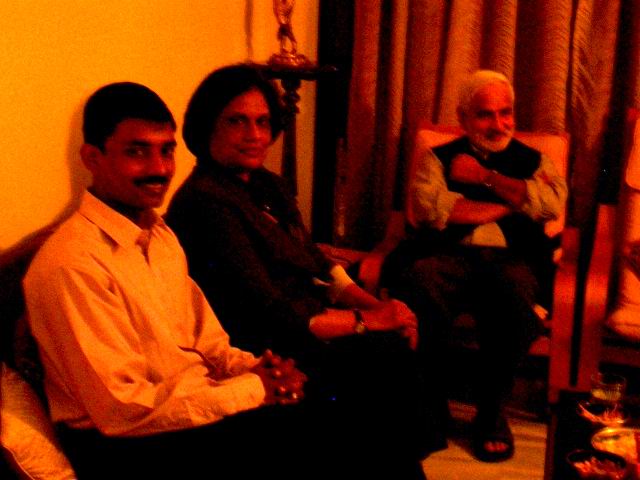
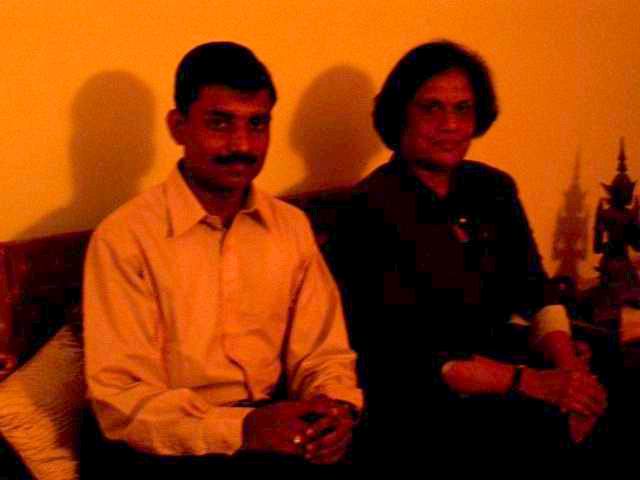
Former President Chandrika Kumaratunga
Wednesday, November 29, 2006
Operation Mountain Thrust
Operation Mountain Thrust was a U.S. commanded, Canadian and U.S.-led operation in the Afghanistan campaign, with more than 2,300 U.S., 3,300 British troops, 2,200 Canadian troops, about 3,500 Afghan soldiers and large air support. The operation was the largest offensive since the fall of the Taliban in 2001. Its primary objective was to quell the ongoing Taliban insurgency in the south of the country.
There was heavy fighting during June and July 2006, with Afghanistan seeing the bloodiest period since the fall of the Taliban regime. The Taliban showed great coordination in their attacks, even capturing two districts of Helmand province at the end of July, which were retaken a few days later. The Taliban suffered during the fighting more than 1,100 killed and close to 400 captured. Heavy aerial bombing was the main factor. But even so the coalition forces had close to 150 soldiers killed and 40 Afghan policemen captured by the Taliban. Tom Koenigs, the top U.N. official in Afghanistan, told the German news weekly Der Spiegel that the Taliban numbers of casualties do not reflect success. "The Taliban fighters reservoir is practically limitless," Koenigs told the magazine in an interview. "The movement will not be overcome by high casualty figures."
In the end, the operation did not manage to quell the Taliban insurgency. Control of the region was transferred from the Americans to NATO forces. Attacks continued and even intensified. On the first day that NATO took control, August 1, a British patrol was hit by enemy fire in Helmand province; three soldiers were killed and one wounded. On the same day 18 Taliban and one policeman were killed in an anti-Taliban coalition operation in the same province and 15 Afghan policemen were captured when they surrendered in Zabul province while a Taliban force was preparing to attack their police post. Also two days later there were several incidents in and around Kandahar, including a suicide bombing which killed 21 civilians. In the other attacks in and around Kandahar, four Canadian soldiers were killed and ten were wounded. These clearly demonstrated that the Taliban forces are still a threat. American forces still remain in the eastern provinces.
200th Session of Rajya Sabha

We are justifiably proud of our democracy. It is the story of the success of democracy in a populated nation which has demonstrated to the world how complex problems can successfully be addressed within constitutional and democratic framework.
I had an opportunity to learn that our Constitution has provided a unique role to Rajya Sabha (which had its First Session on 13th May, 1952) and that it had 4408 sittings, passed 3203 Government Bills, considered 238 Private Members’ Bills till the last Session. This has meant significant contribution by Hon’ble Members in critically evaluating legislative proposals, facilitating reasoned and dignified debates, and highlighting political consciousness.
Rajya Sabha, as House of Elders, needs to be an alert and vigilant watchdog on the affairs of the Nations and also function as a guide to the Union as also the States. Building up consensus on approach of action on major issues is critical to strengthening the roots of democracy. In respect of key issues of national importance before the Parliament, decision should be based not just on the basis of relative strength of political parties.
We are today faced with the challenges of economic growth and public governance. It is unfortunate that about 26 crore of our citizens still await freedom from hunger, disease and insecurity. Besides poverty alleviation, there are the challenges of population stabilisation, electoral reforms, speedy justice, and hassle and corruption-free administration to the common man. There are threats to national security as also to the bonds of national integration. We face the challenges of speeding up integrated and balance development as also of weaving a stronger secular fabric and build up an environment of peace and social harmony conducive to growth and progress.
In this onerous task, we need to make wholehearted efforts to serve the people with dedication and commitment.
Friday, June 16, 2006
Test of Time: CHT to face legal battle
The urgency to complete this article is due to the current storm over the legality of the Chittagong Hill Tract (CHT) Manual Act, 1900 after 150 years of its enactment which has triggered tension and anxiety among the hill people in the CHT. A person named S.P Marma from Rangamati filed the writ petition with the High Court challenging the legality of the CHT Manual Act, 1900. Though the hearing of the writ will be held shortly, it has switched on yet another panic button in the CHT. The Adivasi leaders of CHT expressed their anxiety and worry over this issue and feared that, if the court rule goes against the act, ‘indigenous life and culture would come under threat and even the history of CHT might be distorted’. The three circle chiefs (Mong, Chakma and Bomang) of the Khagrachhari, Rangamati and Bandarban, CHT Regional Council and the Headman (village chief) Association have already submitted separate memorandums to the Law Minister expressing their deep anxiety over the petition. Moni Swapan Dewan, the Deputy Minster of CHT Affairs, also expressed his anxiety to the government over that petition.
Historically speaking, it was in 1860 the British government divided the Chakma
In August 1947, the British handed over the administration of CHT to the government of
But from 2003 onwards there were frequent writs challenging the legality or the constitutionality of several Acts of the CHT. Earlier, the Hill District Council Acts of 1989 and the CHT Regional Council Act of 1998 have been challenged in the Bangladesh Supreme Court through two separate writ petitions. The petitioners have alleged that ‘having a separate regional council for the CHT violates the unitary framework of the Bangladeshi republic’, and that it relegates the Bengali inhabitants of the region to ‘second class’ citizens and thus, offends the equal rights or non-discrimination clauses of the constitution. The recent controversy over the legality of the CHT Manual is also deliberated move in that line. It has to be understood that the absence of direct constitutional backing for the CHT self-government system with its primacy to indigenous peoples makes it susceptible to legal challenges in the High Court as a potentially unconstitutional arrangement. If the court orders to stop the implementation of CHT Manual Act, 1900, the Hill people will have to face legal battle against that, leading to yet another tragedy.
Sunday, May 07, 2006
Tamil Nadu Elections - Shameful Scenes
Over the years, cynical and shameless manipulation of the poor and powerless voters through competitive populism has become the dominant feature of our elections. The current Tamil Nadu Assembly election has shown that this process of manipulating the vote has reached the nadir. The DMK-combine promised colour televisions to each family!
This is by no means the first time when a party offered freebies to the unsuspecting and hapless poor. Most candidates habitually offer money and liquor for vote. And since the early 1970s, politicians have perfected the art of using public money as inducement for vote. Ostensibly, all these promises are intended to eliminate poverty.
But the gullible poor remain as vote-banks and no significant dent is made in poverty. The Garibi Hatao politics of the 1970s and the populist policies of NTR and MGR are good illustrations of the poor becoming an assured vote bank, even as their condition remains largely unaltered. The absurd campaign of Devi Lal in Haryana in 1987 marked a new low, when he promised to give irrigation water without “depleting the power in it,” as opposed to the Congress which allegedly generated hydro-electricity before allowing it to flow into irrigation canals! Devi Lal again hit headlines in 1989 by promising to write off farm loans. The loan waiver was eventually implemented by VP Singh’s government in 1990. The credit system suffered irreparable damage, and farmers continued to be in distress after the loan waiver.
The politics of free electricity has dominated our electoral landscape for long. Several states resorted to this, including the present Congress government in Andhra Pradesh. Farmers continue to pay huge bribes for new connections or services, power supply is erratic and utilities suffer serious losses, at great cost to the taxpayer. And yet, the cynical governments resorting to such short-term ploys reap rich political dividends.
But all these pale into insignificance in the face of the brazen DMK promise to give colour television sets. By this reckless promise, the sovereign voters are converted into mendicants. The tragic death of several poor women while distributing free saris in Lucknow in 2004 forever reminds us how the voter has been reduced to a beggar. But Mr Karuna-nidhi now seeks to institutionalise such mendicancy. In such political calculations, people are not human beings with dreams and aspirations, dignity and pride. They are reduced to being voters whose compliance is necessary for the power of a few manipulators.
Most of the subsidies and freebies offered by parties so far can be justified on the ground that they were meant to help fulfill potential or prevent suffering, or support the weak and vulnerable. But colour television sets cannot be justified on such grounds by any stretch of imagination. That is why Mr Karunanidhi’s promise has implications beyond Tamil Nadu and this election.
If such a reckless electoral tactic goes unpunished or unchallenged, who knows what tomorrow will bring? In a future election, a party may offer free motorcycles, another will promise refrigerators to all and a third will give motorcars! And why not guarantee a hundred bottles of free liquor annually to every family? And all this, with public money. This will certainly bankrupt the treasury. The election will go to the highest bidder. Once such promises are honoured, nothing much more can be done. Education may be in a perilous state, denying poor children an opportunity to enlarge their horizon and acquire skills; we may have more televisions than toilets, and people may suffer indignity, humiliation, in-convenience and ill health on account of public defecation; and public health may be in shambles, forcing millions into sickness and debt trap. But once people get televisions and scooters, the state does not have resources to do the things that it ought to do.
Therein lies the real tragedy. The state is ready and willing to do what it need not, or ought not to do, at the cost of its essential functions. Poverty is perpetuated and millions remain as vote banks, seeking alms and freebies that will never improve their condition. The netas and their families, of course, continue to thrive in the ‘service’ of the people. The servant becomes the master, lording over people, and the sovereign citizens become mendicants, propping the political fortunes of a few individuals and their kith and kin.
This must stop. If the parties have any sense of shame and spirit of public service left in them, they must come together to put an end to this culture of mendicancy. The media, busy peddling the week’s sensation, must rise above the mundaneness of daily occurrences, and mobilise public opinion to reshape politics. The time is now, before all parties subvert our democracy fully and public office becomes the preserve of the highest bidder.
D-8 Summit
The Islamic world has responded to the globalizing changes at inward-oriented and outward-oriented levels. At the first level some Islamic states joined other multi-lateral globalizing institutions with a view of benefiting from them. At the second level, the main inter-governmental institution of the Islamic world – Organisation of Islamic Countries, brought about some significant changes in its agenda and attempted to establish a dialogue with the West. However D-8 or Developing – 8 was structured not as an organization, but as a mechanism for development of cooperation among, Islamic countries from regions stretching from
The main objective of D-8 to be socio-economic development in accordance with the following principles: Peace instead of conflict, Dialogue instead of confrontation, Co-operation instead of exploitation, Justice instead of double-standards, Equality instead of discrimination, Democracy instead of oppression. The principal organs of the D-8 are the
May 2006 Summit at
The fifth summit of D-8 is scheduled to be held during May 9- 13, 2006 in
Deepened Disparities:
Although the achievements have increased the ability of the Islamic world to cope partially with some aspects of globalization, they have not been effective in bringing about a qualitative change in such ability. This is essentially because of various variables:
(i) Non-Homogeous: The Islamic world is not a homogeneous entity. It is divided along virtually all socio-economic and political lines of comparison including religious ones. All the countries participating to this initiative are members of other global or regional communities, and their economic and political priorities are intensified on other organizations. For
(ii) Pressures from global powers: The Islamic world is deeply penetrated by ‘powers of globalization’. The economies and security models of the Islamic world are mostly influenced by the agenda of the Western powers. Eg, EU initiatives towards
(iii) Rivalries and conflicts: Rivalries and conflicts among Islamic states over regional leaderships, and territorial issues are acutely clear in the case of
(iv) Economic Disparity: Among the D-8 countries,
(v) Geographical discontinuity: Apart from being sprinkled across disparate portions of
Wednesday, April 26, 2006
Tamil Nadu Elections
(Excerpts from a News Source)
No state in
Just two years ago, a tidal wave swept J. Jayalalithaa’s party off the electoral map during the general elections. Her strident attacks on “Sonia Maino” fell flat. More seriously, the government employees rebelled against her, alienated as they were by her action to break their strike only the year before the general elections. This proved critical as Tamil Nadu has the highest per capita ratio of government employees in
The last minute tie-up with the Bharatiya Janata Party proved to be a non-starter, alienating the sizable religious minorities against her in a state where Christians and Muslims together make up 11 per cent of the electorate. To add to this, the Dravidian ideologues were railing against her, following the enactment of measures to block religious conversion and the ban on animal sacrifice in temples. It is an amazing turnaround; one rarely seen in recent times but the present election is poised at knife-edge. The Centre for the Study of Developing Societies survey went so far as to say that the polls in the state are “too close to call”. Despite a slender lead of two per cent in the vote share of the ruling All India Anna Dravida Munnetra Kazhagam- led alliance, the result could tilt either way. Irrespective of whether she loses or wins, the chief minister has made this a battle worth watching. Placed in perspective, she has converted a huge vote deficit of 2004 into a minor surplus. If this trend continues, she might even look forward to a simple majority for her own party with no crutches from her allies.
There have been similar contrasts in recent years between Lok Sabha verdicts and state assembly elections. In 1998, Digvijay Singh in Madhya Pradesh led the Congress to a second term in office though his party lost the subsequent Lok Sabha elections in the state. Lalu Prasad and his wife performed a similar feat in
But there are two crucial differences in Tamil Nadu. One is a generational issue. This is almost certainly the last time M. Karunanidhi will lead the Dravida Munnetra Kazhagam, a party he has been a member of since its foundation in 1949, to battle. This may well prove to be his Achilles heel: his heir apparent and son, M.K. Stalin, lacks popular acceptance. This has forced the veteran to clarify publicly that he will be chief minister after his party wins at the hustings.
The other has been a significant feature of the Tamil Nadu polity for the last two years. Jayalalithaa has crafted her policies to defuse disaffection among the very sections that bolted from her party in 2004. The arrest of the sankaracharya of Kanchi was well publicized to reaffirm the belief that religious leaders were not above the law. Less publicity was given to rescinding the law on conversions, or to the expansion of the free meal scheme in temples to churches and dargahs. There was also a rapprochement with the powerful government employees’ unions.
The turning point came with the tsunami in December of 2004. Contrary to knee-jerk press reports specifically in the audio-visual media at the time, the state government handled itself with considerable alacrity and speed. A similar drill was in place during the floods the following year. Jayalalithaa’s opposition to the Sethusamudram project taps into genuine fears of the fisher folk about their livelihoods.
Jayalalithaa’s other masterstroke was the timing of the bicycle gifted to high school girl students. In her first hundred days in office, in 2002, she announced a programme to give a cycle to every Dalit girl. Two years ago, this was extended to all girl students in Class XI and XII. It is important to note that these students will comprise a significant chunk of first generation voters now that voting begins at the age of eighteen.
This is also perhaps the first time in many years that a chief minister is campaigning by highlighting her performance. The opposition is anxious enough to promise free colour television sets and rice at two rupees a kilogram to the poor. To be sure, the DMK has a formidable lineup of allies and is fighting hard. Its main bastions lie in north Tamil Nadu where its ally, the Pattali Makkal Katchi, is also strong. Further sources of support include the left and the Congress. Both are localized but in this contest every seat and vote will count.
History is testament that the incumbent usually loses power in Fort St George. In recent times, only the late M.G. Ramachandran managed the feat of never losing a single assembly poll. Yet the legacy of the past weighs equally heavily on the DMK. When E.V. Ramaswami Naicker announced that he was marrying in order to beget an heir, C.N. Annadurai founded the DMK as a revolt against the idea that power flowed through lineage. It is ironical that Karunanidhi’s own party now has a line of succession that runs from father to son.
It is here that the chief minister’s choice of allies shows a shrewd political mind. V. Gopalsami or Vaiko left the parent party in 1994 protesting against dynastic politics. He retains a thin layer of supporters across the state. Equally crucial are the Dalit Panthers, a militant party led by T. Thirumavalavan. This is the first time that a Dalit party has such a prominent role in a larger alliance. Both parties compete with specially tailored welfare measures for the poor and have their own blend of growth and welfare.
The choice is still a very important one. Five more years of the AIADMK will mean continuity, and this will shake up the UPA coalition. Karunanidhi is banking on the arithmetic of alliances to bring him back to power one last time. Its maths versus performance. This election looks like a cliffhanger though a come back for the ruling party may well be on the cards.
Monday, April 24, 2006
ROAD TO PERDITION

Michael Sullivan Sr. (Tom Hanks) is a trusted aide to John Rooney (Newman), an Irish American organized crime boss. Sullivan, an orphan and a soldier in the Great War, was adopted by the older man as a child, and he has been working with him ever since his teens. Rooney treats Sullivan as a surrogate son, being closer to him than his own son and heir, the vain and insecure Connor Rooney (Daniel Craig). Further frustrating Connor, his father treats Sullivan's two sons, Peter and Michael Jr. like grandchildren. At a wake of a former buisness associate, Michael Jr. and Peter notice the subtle friction between their father and Connor.
Sullivan senior and Connor are instructed by Rooney to deal with Finn McGovern, another employee of Rooney's whose brother was murdered by the Rooney organization as punishment for allegedly stealing from them. Unbeknownst to both Michael Sullivan and Connor Rooney, a curious twelve-year-old Michael Sullivan Jr. hides in the car and witnesses the ensuing scene where Connor, acting against his father's wishes, murders McGovern. The shocked Sullivan Sr. swears his son to secrecy, while John Rooney humiliates his son by demanding an apology for his seemingly hotheaded actions. Ostensibly to prevent the threat of Sullivan Jr. divulging the murder he witnessed (but in reality feeling jealous of and threatened by Sullivan Sr.), Connor, again against his father's wishes, attempts to have Sullivan murdered at the same time as personally killing his wife Annie and younger son Peter. Both Sullivan Sr. and Jr. survive the attempt on their lives and flee to
When it becomes clear that Al Capone's crime syndicate will not countenance Sullivan's goal of taking revenge on the Rooneys, he develops an elaborate scheme to protect his son and to blackmail the mob into giving up Connor by robbing its secret accounts in banks throughout
It later becomes apparent that Connor has been embezzling money from his father, holding the money under the names of gang members that he has murdered. Confronted by Sullivan with the evidence that his son has been betraying him, John Rooney refuses to stop protecting Connor. He reminds Sullivan that, they too, are murderers, that this life they chose, and that "none of us will see heaven." Wanting his son to avoid traveling the road he has taken in life, Sullivan has a difficult decision to make. In order to gain revenge and protect his son, Sullivan must then kill the members of Rooney's gang, including John Rooney. He is then able to track down and avenge himself on Connor. Since Capone protected Connor because he was only Rooney's son, there was no more reason to hide him after his father was dead.

Subsequently, the psychopathic (and disfigured) Maguire succeeds in tracking down the Sullivans and murders Michael Sullivan senior at a beachside house in Perdition. Apparently, he traced a call placed from Sullivan to his wife's sister, Sarah, and he was able to determine that they were headed for the town of